

5 Stylish Home Resolutions for 2026
/SOURCE: Sotheby’s
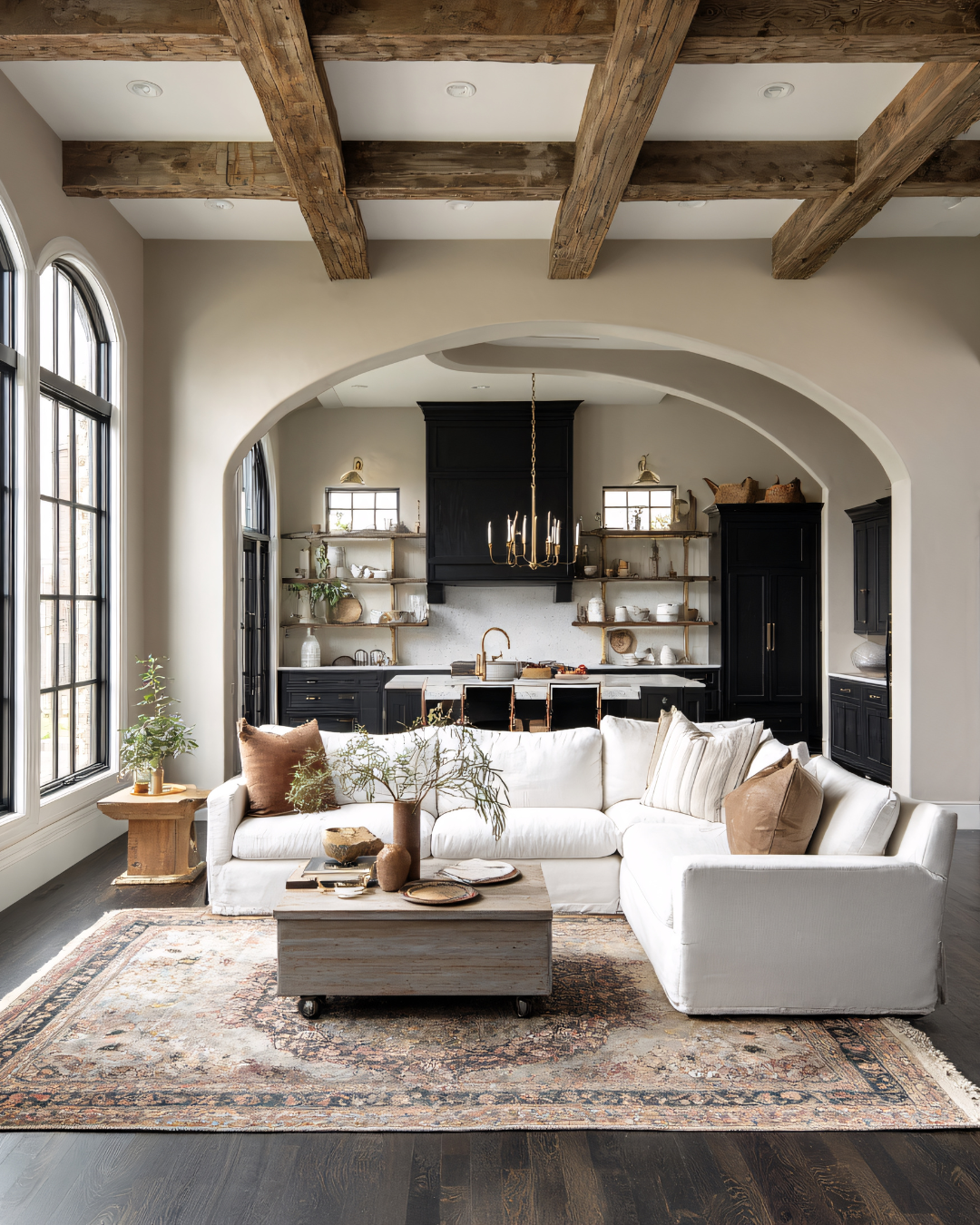
A new year invites a more meaningful approach to interior design, with personalized spaces that support your well-being and values, writes Emma Reynolds
Each new year invites reflection and renewal and much of that begins at home. Where we live is an extension of who we are and what we value. In 2026, luxury design is moving beyond fleeting trends and strict design rules, embracing more individualized interiors, richer color and texture, a lived-in ease and spaces that foster connection.
New York-based interior designer Andrew Suvalsky says his clients are pivoting from minimalism to embrace a more personalized aesthetic. “People want homes that are layered, expressive and distinguished, rather than neutral or generic,” he says.
The most compelling interiors aren’t static; they evolve with their owners over time. Consider these ideas a thoughtful roadmap for elevating your home and lifestyle.
Think big with wallpaper
Blank white walls can be a creative canvas: an invitation to go bold with statement coverings. Wallpaper, once tied to dated living rooms and grand old hotels, has reemerged as a powerful design tool that can double up as artwork. It appears in non-traditional ways—on wrapped ceilings and in lined cabinetry—while transforming smaller spaces such as closets, powder rooms and offices into moments of surprise.
Skilled artisans and heritage design houses such as de Gournay—as featured in this contemporary home in Ontario, Canada—create bespoke works from intricate hand-painted murals to luxurious tactile materials (silk, pearl appliqué, linen, grasscloth) that add beauty and depth to walls that could otherwise fall flat.
Go wild with an orangery
An orangery is a purpose-built garden room originally designed to shelter citrus trees through harsh European winters. Popularized in 17th-century England, it soon became a symbol of refinement, evolving into a sophisticated setting for entertaining guests.
Today, the orangery feels newly relevant as homeowners embrace biophilic design, the philosophy of connecting people to nature through natural light, views and proximity to the outdoors to enhance well-being.
Essentially, a more elevated take on the conservatory, orangeries are conceived as a true architectural extension of the home, with insulated masonry walls, oversized windows, and, ideally, a glazed lantern roof that lets the sun shine through all year.
Have fun with color contrasts
Homeowners are growing ever more confident when it comes to experimenting with color as they realize that low-risk, low-maintenance, non-permanent tweaks using paint, textiles and accessories can easily transform a room without a full redesign. Whether bright and vibrant, or dark, earthy and moody, color is the most satisfying of upgrades.
Methods like color drenching (painting walls, ceilings, trims and doors the same hue) or contrasting unexpected shades, through furniture, art and decor, can both work. This Mediterranean-style property in Austin, Texas is a lesson in tasteful yet daring color contrasting, featuring saturated red hues alongside shades of saffron and green.
“There’s a desire to bring the richness of high fashion, as we see on runways and magazine editorial imagery, into the home through color, texture and materiality,” says Suvalsky.
Create a sanctuary—inside or outside
New year’s resolutions often revolve around our health. Wellness-focused amenities in the comfort of your own home can help support these goals long-term. Saunas, gyms, cold plunges, spas and mediation rooms are among the most in-demand luxury residential features as a new wave of buyers prioritize longevity of lifestyle.
A mountain home in Jackson Hole, Wyoming approaches the booming sauna culture in particular through a design-forward lens; its outdoor sauna is a sleek and contemporary structure tucked into the wild landscape. Some high-end homeowners and property developers are even installing hyperbaric oxygen chambers and IV drip stations.
Though wellness means something different for everyone, the benefits of creating a calm, relaxing space for restorative rituals, whatever its size or scale, go a long way.
Source locally whenever possible
Sustainability is not a trend but a guiding principle for today’s homeowners and designers. Locally sourced materials ground a home in its surroundings and create a true sense of place, while reducing environmental impact and fostering community. It’s just as important to work with local artisans and craftspeople, who bring knowledge, tradition and nuance that can’t be imported or replicated.
“With the flood of mass-produced furniture from global retailers, clients want something more customized and turn to finely crafted special-order furnishings built by hand,” says Suvalsky, who has curated a strong network of artisans and fabricators in his work. There’s no better display of how contemporary design can sit cohesively with expert craftsmanship and local materials than this hilltop manse in Queenstown, New Zealand. An architectural marvel overlooking Lake Wakatipu, it features locally sourced schist stone, slate flooring and reclaimed Kauri timber details that incorporate an organic feel. Artful touches, like a sculptural spiral staircase, make the home feel one-of-a-kind.
SOURCE: Sotheby’s

